

The Important Of Regular Oil Changes. What You Need To Know

Regular oil changes are essential for maintaining the health and performance of your engine. Just like taking care of your tires can make them last longer and keep you safe, keeping up with oil changes is key to making sure your engine runs smoothly and efficiently.
Why Regular Oil Changes Need To Be done

Regular oil changes are crucial for maintaining the health and performance of your vehicle’s engine. Over time, engine oil breaks down and becomes contaminated with dirt, debris, and combustion by-products, which can lead to increased friction and wear on engine components. By changing the oil at recommended intervals, you ensure that your engine is properly lubricated, reducing the risk of overheating and preventing premature wear and tear. Additionally, fresh oil helps to improve fuel efficiency and maintain optimal engine performance, ultimately extending the lifespan of your vehicle and even saving you money on gas and costly repairs.
Key Benefits Of Routine Oil Changes
Prevent Engine Wear and Tear:
Oil acts as a lubricant for the moving parts of your engine. Over time, oil breaks down and becomes less effective at reducing friction, which can lead to increased wear and tear on engine components. Regular oil changes keep your engine properly lubricated, reducing the risk of damage and prolonging the life of your engine parts. Fresh oil ensures that all the moving parts in your engine are properly lubricated, reducing friction, and preventing wear and tear. This leads to a smoother and quieter engine operation, enhancing your driving experience.
Reduce Engine Sludge Buildup:
The detergent additives break down as oil ages. The result? The oil can collect dirt and form sludge, which clogs your engine and slows it down. Regular oil changes help prevent sludge buildup, keeping your engine clean and running smoothly. Clean oil allows the engine to function without the added strain caused by contaminants, which can lead to more efficient operation.
Maintain Consistent Engine Temperature:
Oil helps regulate and cool your engine’s temperature by dissipating heat. Fresh oil is better at absorbing and transferring heat, ensuring your engine stays at a consistent temperature and reducing the risk of overheating.
Smoother Engine Operation:
Fresh oil reduces friction between engine components, resulting in smoother and more efficient engine operation. This helps your vehicle run quieter and with less effort.
Better Fuel Economy:
When your engine runs efficiently, it uses fuel more effectively. Clean oil reduces friction and allows your engine to perform at its best since your engine doesn’t have to work as hard to produce the same power. This means you can go further on a tank of gas, saving you money. The cost of regular oil changes is a small investment compared to the potential savings on fuel expenses.
Enhanced Acceleration:
When your engine is well-lubricated and free from sludge, it can respond more quickly to acceleration. Regular oil changes help maintain optimal engine performance, giving you better acceleration.
Signs It’s Time for an Oil Change
Knowing when to change your oil is crucial for maintaining your vehicle’s performance. Here are some signs that it’s time for an oil change:
Warning Lights on the Dashboard:
Modern vehicles have sensors that monitor your engine oil. If an oil change reminder or maintenance required light appears on your dashboard, it’s a clear sign that your oil needs changing.
Increased Engine Noise:
If your engine is making more noise than usual, it could be due to old oil that’s no longer providing adequate lubrication. Regular oil changes help keep your engine running quietly and smoothly.
Best Practices for Oil Change
Frequency Understanding the best practices for oil change frequency can help you keep your engine in top condition. Many people often ask us, “How often does my car need an oil change?” Below are a few guidelines.
Manufacturer Recommendations:
Your vehicle’s manufacturer provides guidelines for how often you should change your oil. These recommendations are based on extensive testing and should be followed to ensure optimal engine performance. Typically, these intervals are based on mileage or time, such as every 5,000 miles or six months, whichever comes first.
Adjusting for Driving Conditions:
In addition to manufacturer recommendations, consider your driving conditions when determining oil change frequency. If you frequently drive in extreme temperatures, dusty environments, or heavy traffic, you may need to change your oil more often. Short trips and stop-and-go driving can also lead to more frequent oil changes. Remember, your vehicle’s manufacturer has standards for normal and severe service, so be sure to check out your owner’s manual.
Choosing the Right Oil for Your Car:
Consult your vehicle’s manual or a trusted Technician to determine the best type of oil for your car. Using the recommended oil type ensures optimal performance and longevity for your engine. The technicians at Tire Choice will provide advice based on your specific driving habits and conditions.
Don’t Forget the Oil Filter:
Oil filters are as important as getting routine oil changes. Oil filters can become clogged if they’re not changed enough, since they protect your engine from dirt and other abrasive contaminants. If that happens, unfiltered oil will be circulated through your engine, causing corrosion or damage.
How to Schedule Your Next Oil Change Service:
Simply call our facility store and ask for the oil change manager who will be happy to assist you. Furthermore, you can check your milage sticker on the left upper top corner of the windshield to know when its best to change the oil.
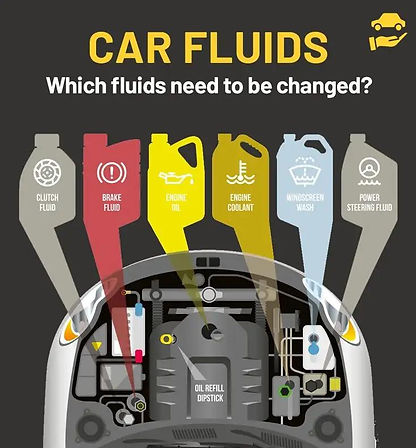
Oil fluids are important to check and fill. We need them when driving on the road. Ask your technician to make sure they are all fluids are topped off.
Oil Department
Contacts
Carwash: Open 24 Hours
Oil Change: 7am - 9pm
Carwash Dept #718-231-2175
Oil Change Dept #718-547-8459
2407 Boston Road
Bronx, NY 10467
